Vape Nicotine Strengths Explained: What the Numbers on the Box Really Mean
Vape nicotine strengths confuse more shoppers than any other spec on a device box, because the same product can be labelled 5 percent, 50mg, or 50mg/mL and all three mean exactly the same thing. This guide untangles the labels properly: what the percentages and milligram figures measure, how 5 percent compares with lower options and with nicotine free liquid, why salt nicotine changed the numbers everyone uses, and how an adult vaper reads a label with confidence. It is written for adults aged 18 and over, IGET Vapes Australia Store is a strictly 18+ retailer, and nothing here is medical advice or a claim about health outcomes. For health information about nicotine and vaping, speak with a health professional or start with the Australian Government resources linked later in this article.
Vape nicotine strengths: decoding percent, mg and mg/mL
Every figure on a vape label expresses concentration: how much nicotine is present in each millilitre of liquid. The universal unit is milligrams per millilitre, written mg/mL. A liquid labelled 50mg/mL carries 50 milligrams of nicotine in every millilitre. The percentage format is the same information divided by ten: 50mg/mL is 5 percent, 35mg/mL is 3.5 percent, 20mg/mL is 2 percent. When a box just says 50mg, it is shorthand for 50mg/mL, not the total nicotine in the device.
That last distinction trips people constantly, so it deserves a plain example. A device holding 12mL of 50mg/mL liquid contains 600 milligrams of nicotine in total, spread across roughly twelve thousand puffs. The strength number tells you the intensity per puff, not the size of the reservoir. Two devices with identical vape nicotine strengths can differ enormously in how long they last, which is why puff count and strength are separate columns on every product page in our shop.
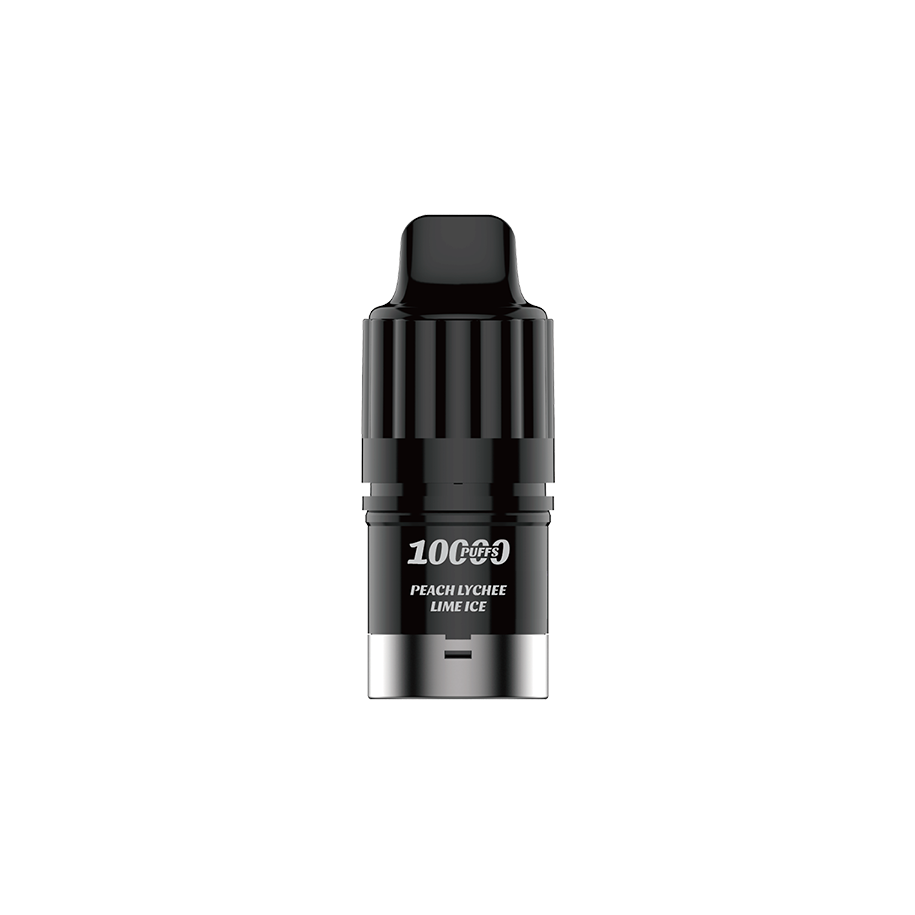
What 5 percent actually means
Five percent, or 50mg/mL, is the strength most large format devices ship in, including popular lines like the IGET Bar Pro 10000 and the IGET One 12000. It became the de facto standard for big disposables because salt nicotine formulations made higher concentrations smooth enough to draw on, something the older freebase liquids never managed. Within the range of common vape nicotine strengths, 5 percent sits at the top of what mainstream prefilled devices use.
What does that mean in hand? Each puff on a 5 percent device delivers more nicotine than the same puff on a 2 percent device, roughly in proportion to the numbers. Adult vapers who came from a heavier smoking habit often gravitate to the top strength, while lighter users sometimes find it more than they want, which is exactly why the rest of the ladder exists. The strength that suits you is a personal decision for an adult to make with accurate information, and this article's only job is to make the information accurate.
Lower strengths and where they fit
Below the flagship figure, the common rungs on the ladder of vape nicotine strengths are around 3.5 percent (35mg/mL), 2 percent (20mg/mL) and lighter options below that. Two percent deserves special mention because it is the legal ceiling in several overseas markets, which is why travellers sometimes notice the same brand wearing different numbers in different countries. The device hardware is typically identical across strengths: same battery, same puff rating, same flavour list. Only the liquid concentration changes.
Choosing lower does not shrink the experience. Flavour intensity, vapour and puff count are properties of the device and its liquid volume, not the nicotine figure, so a lower strength version of a flavour from our best IGET flavours guide tastes essentially the same as its stronger sibling. What changes is the per-puff nicotine delivery, and some vapers deliberately step down the ladder over time as a personal preference. Check each product page in the IGET Bar range for the strengths available per model, since availability varies by line.
Nicotine free: the zero option
Nicotine free liquid, labelled 0mg or 0 percent, completes the range of vape nicotine strengths at the bottom end. Everything else about the device stays the same: the flavour families, the vapour, the format. Adult vapers pick zero for their own reasons, most commonly flavour enjoyment without any nicotine delivery. Note that zero strength does not change the age rules or the retail rules that apply to vaping goods in Australia, and it does not turn a vape into a product for non-smokers or minors. IGET Vapes Australia Store applies the same 18+ verification to every order regardless of strength, and our FAQs explain how that verification works at checkout.
Salt nicotine vs freebase: why the labels changed
A short history lesson makes the modern numbers make sense. Early vaping liquids used freebase nicotine, which grows harsh on the throat quickly as concentration rises, so typical strengths stayed low, often 3 to 12mg/mL. Salt nicotine, introduced later, binds the nicotine with an acid to produce a formulation that stays smooth at far higher concentrations. That single chemistry change is why modern prefilled devices comfortably run 40 to 50mg/mL and why the vape nicotine strengths printed on today's boxes look so much larger than the numbers from a decade ago. Same unit, different formulation, very different comfortable ceiling.
Practical takeaway: you cannot compare a salt figure with an old freebase figure directly and conclude one is a harsher product. Smoothness per puff depends on formulation, device output and draw style together. Prefilled systems like the IGET Bar Plus S3 and its replacement pods are built as matched systems, liquid and hardware tuned together, which is a genuine advantage of buying prefilled rather than mixing components.
Vape nicotine strengths comparison table
The table below lines up the common vape nicotine strengths side by side so the three labelling formats stop being confusing.
| Label as percent | Label as mg/mL | Common shorthand | Where you see it |
|---|---|---|---|
| 5% | 50mg/mL | 50mg | Standard for large disposables and pod systems |
| 3.5% | 35mg/mL | 35mg | Mid option on some prefilled lines |
| 2% | 20mg/mL | 20mg | Ceiling in several overseas markets |
| Below 2% | Under 20mg/mL | Varies | Lighter options, less common prefilled |
| 0% | 0mg/mL | Nicotine free | Zero option, same flavours and formats |
Reading a label like a pro
Here is the sixty second routine for any box. First, find the concentration and normalise it to mg/mL in your head: a percent figure times ten. Second, find the liquid volume in mL if listed, because concentration times volume gives total nicotine content, the number that actually differentiates a 3,500 puff device from a 12,000 puff device at the same strength. Third, check the rated puff count with healthy scepticism, a topic our puff count reality check covers in depth. Fourth, confirm the product is genuine, because counterfeit devices misstate strength as casually as they misstate everything else. Our guide to spotting a fake IGET vape shows the checks, and comparing models side by side is easiest in our One 12000 vs Bar Pro 10000 breakdown.
Label literacy also protects you from a subtle trap: assuming that a bigger device means stronger vaping. It does not. A 12,000 puff device at 5 percent has the same per-puff strength as a 3,500 puff device at 5 percent. Capacity and concentration are independent, and confident shoppers hold both numbers in mind at once. That is the entire skill of comparing vape nicotine strengths, and once it clicks, no label will confuse you again.
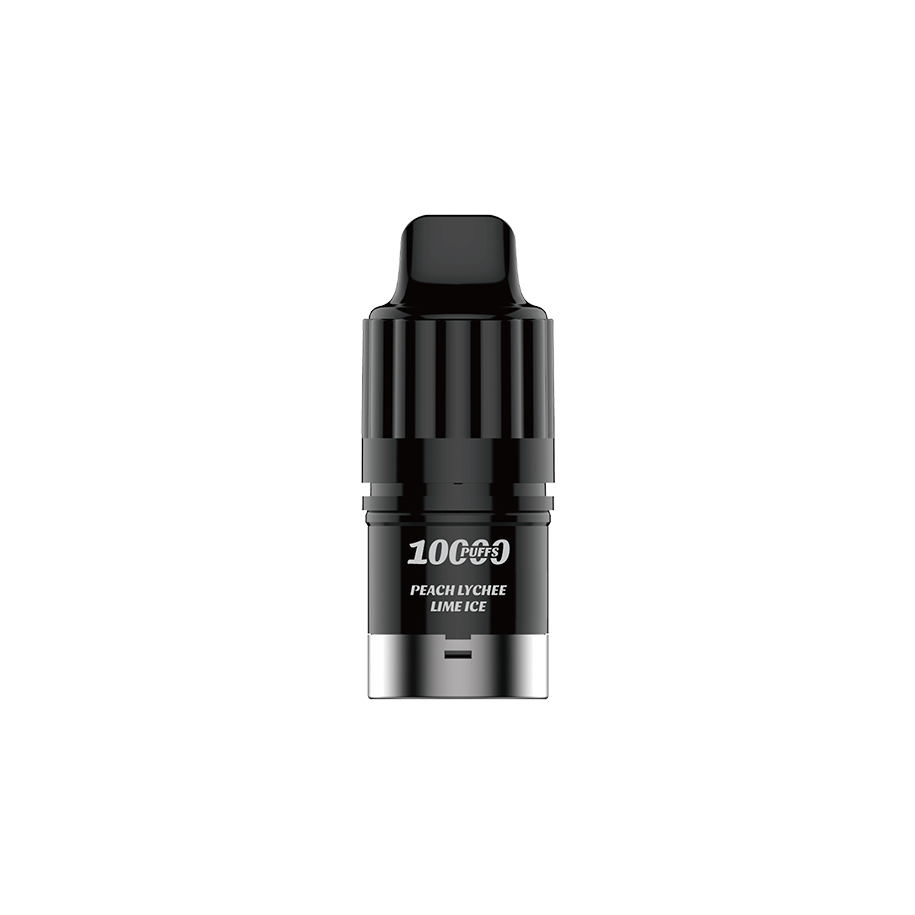
Finally, keep a mental note of your own history. Vapers who track which vape nicotine strengths they have actually bought, rather than guessing from memory, make faster and cheaper decisions at reorder time. A one-line note on your phone after each purchase, model, strength and a verdict out of ten, turns every future visit to the shop into a two-minute errand instead of a fresh research project.
The rules in Australia
Vaping products are actively regulated in Australia and the rules have moved several times in recent years, covering how nicotine vaping products are supplied, imported and sold. Rather than repeat detail that can date quickly, we point every reader to the primary sources: the Therapeutic Goods Administration publishes the current national position at tga.gov.au, the Department of Health and Aged Care maintains consumer information at health.gov.au, and the Australian Border Force covers import rules at abf.gov.au. Adults who want support around smoking or nicotine can contact Quitline on 13 7848. IGET Vapes Australia Store operates as an 18+ retailer, verifies age on every order, and details its policies on our terms and about pages.
Vape nicotine strengths and device choice: putting it together
Strength knowledge becomes useful the moment you apply it to an actual purchase, so here is how the two decisions interact. Because concentration and capacity are independent, the sensible order is to settle your preferred strength first and your device size second. A vaper who knows they want the standard top strength can then choose purely on capacity and format: the compact IGET Bar line for light use, the mid-size Moon or Hot devices reviewed in our Moon K5000 review and Hot 5500 review for moderate use, or the flagships for heavy use. A vaper still deciding between vape nicotine strengths is better served by smaller devices at first, because a 3,500 puff unit lets you trial a strength for a modest outlay, while committing to twelve thousand puffs of a strength you turn out not to enjoy is an expensive way to learn.
Pod systems add one more wrinkle worth knowing. On a system like the Bar Plus S3, the strength lives in the pod, not the battery, so where multiple pod strengths are available you can vary strength pod by pod on the same hardware. That flexibility is impossible on a sealed disposable, and for adults who like to move around the ladder of vape nicotine strengths it is a quiet but real advantage of the pod format, alongside the running-cost benefits covered in our disposable vs pod kit cost breakdown.
Five mistakes people make with vape nicotine strengths
First, reading 50mg as total content rather than concentration, then wondering why a tiny device and a huge one carry the same number. Second, assuming a bigger device hits harder, when capacity never changes per-puff delivery. Third, comparing a modern salt figure against a remembered freebase figure from years ago and drawing conclusions the chemistry does not support. Fourth, buying from unverifiable sellers where the printed strength may bear no relation to the liquid inside, which is one more argument for the authenticity checks in our fake-spotting guide. Fifth, treating anyone's chart, including ours, as advice about what they personally should vape. Understanding vape nicotine strengths is label literacy, nothing more, and the adult holding the accurate information is the only person entitled to make the choice.
Avoid those five and you already read labels better than most shoppers. Bring that literacy to the IGET range in Australia, check the live strength options on each product page, and buy once, correctly, instead of twice by trial and error.
FAQ: vape nicotine strengths
Is 5 percent the same as 50mg?
Yes. Five percent equals 50mg/mL, and boxes that just print 50mg mean 50mg/mL. Multiply a percentage by ten to get the mg/mL figure every time.
Do all IGET devices come in 5 percent?
The flagship disposables commonly ship at the standard top strength, and available options vary by model and stock. Check the individual product pages in our shop for the strengths listed per device.
Does a higher strength mean more puffs?
No. Puff count comes from liquid volume and battery, not concentration. Strength changes what each puff delivers, never how many puffs the tank holds.
Why do overseas versions of the same vape show 2 percent?
Several markets cap retail liquids at 20mg/mL, so brands produce compliant versions for those regions. Same hardware, lower concentration, different regulatory environment.
Is nicotine free liquid really zero?
Genuine products labelled 0mg are manufactured without nicotine. This is one more reason to buy authentic stock from an age-verified retailer rather than unverifiable sellers.
Can you tell me which strength I should vape?
No, and we will not pretend otherwise. Strength choice is a personal decision for adults, made with accurate label knowledge. We supply the facts, the catalogue and 18+ verification, not health advice.